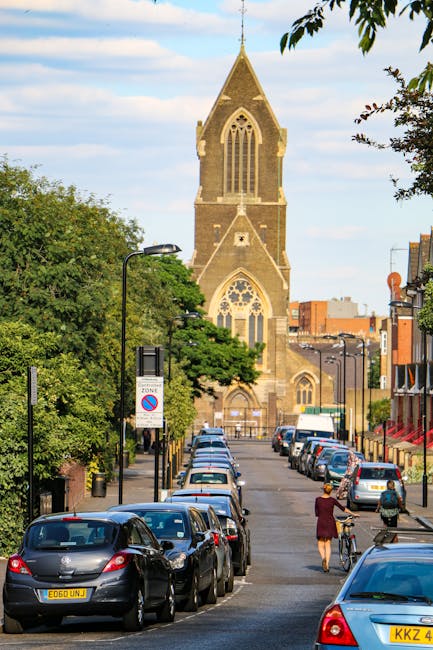
Fairfield Road to Bow Church removals in E3 made easy
Moving from Fairfield Road to Bow Church in E3 sounds simple on a map. A short hop, a familiar route, maybe even a move you could "just get done" in a morning. Then the reality kicks in: parking, stairs, boxes that are heavier than they look, traffic that seems to appear from nowhere, and the awkward moment when the sofa does not quite want to turn the corner. That is exactly why Fairfield Road to Bow Church removals in E3 made easy matters. It is not just about getting things from A to B. It is about making a local move feel calm, organised, and far less stressful than people expect.
In this guide, you will find a practical, human approach to planning a move in Bow. We will cover how the process works, who it suits, what to avoid, and how to make smart decisions without overcomplicating things. If you are trying to move a flat, a family home, a student room, or even a small office nearby, the details below should help you get ahead of the chaos. And honestly, a little structure goes a long way.
Table of Contents
- Why Fairfield Road to Bow Church removals in E3 made easy matters
- How Fairfield Road to Bow Church removals in E3 made easy works
- Key benefits and practical advantages
- Who this is for and when it makes sense
- Step-by-step guidance
- Expert tips for better results
- Common mistakes to avoid
- Tools, resources and recommendations
- Law, compliance, standards, or best practice
- Options, methods, or comparison table
- Case study or real-world example
- Practical checklist
- Conclusion
- Frequently asked questions
Why Fairfield Road to Bow Church removals in E3 made easy Matters
A short move can still be a complicated move. That is the first thing people learn in East London. Fairfield Road and Bow Church are close enough that some people assume the whole job will be straightforward, but local removals are rarely just about distance. They are about timing, access, loading space, building rules, lift availability, and whether the weather decides to make life awkward for a few hours. It all adds up.
When a move is planned properly, the difference is noticeable. You waste less time on the day, reduce the risk of damage, and avoid that panicky feeling when the van arrives and nobody knows where the kettle box ended up. A well-managed local removal also helps protect neighbours, hallways, and your own energy. Let's face it, moving day already asks enough of you.
For many E3 residents, the big issue is not the miles between addresses. It is the micro-logistics. One narrow staircase. One awkward corner. One parking restriction. One sofa that "was fine getting in" but now seems determined to test everyone's patience. That is why a route-specific approach makes sense. It is not a gimmick. It is just good moving practice.
If your move includes a flat, you may also want to look at flat removals for a better match to building access and stair-heavy moves. For larger household moves, house removals and home moves may be more appropriate. The point is simple: the right service choice makes the whole journey smoother from the start.
How Fairfield Road to Bow Church removals in E3 made easy Works
The process is usually simpler than people fear, but only if it is organised in the right order. A good removal starts before moving day, not on it. First comes the assessment of what you are moving, how much help you need, and what kind of vehicle and crew are suitable. Then comes packing, labelling, scheduling, and checking access details at both ends.
In a local move like Fairfield Road to Bow Church, the route itself may be short, but access can still shape the plan. A smaller vehicle and a flexible service can be a smart fit if there is limited parking or if the load is not huge. That is where a service such as man and van can work well for lighter moves, student relocations, or a few bulky items. For heavier, fuller house moves, a larger vehicle and more hands may be the better call.
The practical sequence often looks like this:
- Confirm what needs moving, including furniture, fragile items, and anything awkward or valuable.
- Check access at both addresses: stairs, lifts, loading bays, and parking restrictions.
- Choose a move type that matches the job, not just the price.
- Pack and label boxes by room, weight, and priority.
- Prepare a clear loading path so the movers are not zig-zagging around half-packed rooms.
- Carry out the move with basic communication, a sensible order, and no last-minute guesswork.
That last point matters more than people think. A five-minute conversation at the start of the day can save a half-hour of confusion later. Where should the wardrobe go? Which box contains bedding? Is the fridge unplugged? Small questions, big impact.
If packing is not your favourite task, you are definitely not alone. Many people use packing and boxes before moving day, and for those who want a more hands-off experience, packing and unpacking services can remove a lot of pressure.
Key Benefits and Practical Advantages
A smooth local move gives you more than convenience. It gives you headspace. That sounds a bit soft, but it is true. When the logistics are under control, the rest of the move feels manageable. You can focus on settling in, checking utilities, and making the new place feel like home rather than spending the day untangling a shipping nightmare in your hallway.
- Less stress on the day - clear planning cuts down on frantic decisions.
- Better protection for your belongings - the right packing and handling reduce damage risk.
- More efficient use of time - especially useful if you are moving between two busy East London addresses.
- Improved access planning - stairs, parking, and narrow streets are handled in advance.
- Smarter cost control - choosing the right level of support avoids paying for more than you need.
There is also a practical comfort in having the right type of team. A move that feels too big for one person but too small for a full-scale operation often benefits from flexible support. If you only need help with a few items, a removal van or a man with van style service may be enough. If the job is larger, you may want to compare that against removal services or full removals.
Another benefit that is easy to overlook: moving locally can actually give you room to be more organised. Because the journey is short, you can make a few thoughtful trips, double-check a key item, or handle an awkward piece of furniture with a bit more care. It is a small thing, but it helps.
Who This Is For and When It Makes Sense
This kind of move is a good fit for a wide range of people. Some are moving between rented flats. Some are buying their first home. Some are students heading to a new base in E3. Some are moving a small office or studio. The common thread is that they need a local, practical move without unnecessary complexity.
It tends to make sense if you are:
- moving between addresses close to Bow Church and Fairfield Road
- living in a flat with limited access or shared stairwells
- moving on a tight schedule and need an efficient turnaround
- relocating a small number of large or fragile items
- planning around work, school runs, or building access times
Students often find that a tailored service is more practical than trying to do everything themselves. For that reason, student removals can be a sensible choice when the move is light but still needs care. Similarly, business owners moving equipment or stock locally may be better served by commercial moves or office removals if there is even a modest amount of setup involved.
Truth be told, people often overestimate how much they can comfortably move in one go. We have all done it. "It's only a few boxes" turns into a hallway full of bedding, lamps, a desk, three bags of books, and one chair that somehow needs a degree in geometry to fit through the door. That is exactly when the right service pays off.
Step-by-Step Guidance
Here is the simplest way to approach the move without getting lost in the weeds.
1. Start with a realistic inventory
Write down what is actually going. Not what you hope will go. What is going. Include furniture, appliances, boxes, and anything fragile or oddly shaped. A realistic list helps avoid underbooking the van or underestimating the time needed.
2. Measure access, not just rooms
Measure doorways, hallways, stair turns, and any lifts. A wardrobe or sofa can look perfectly ordinary until you try moving it through a tight corner. If anything feels tight, mention it early. That one detail can decide whether a smaller, agile setup or a larger vehicle is the better choice.
3. Sort and pack in moving order
Pack by priority rather than by whatever box was nearest. Daily essentials should be easy to find. Put kettle, chargers, toiletries, and bedding where they can be reached quickly. It saves a lot of first-night frustration.
4. Label clearly
Room labels are a gift to your future self. Use plain language like "Kitchen - fragile" or "Bedroom - winter clothes." If a box needs to be handled upright, say so. If it contains anything valuable, keep it in mind and do not bury it under soft toys and random cables.
5. Book the right level of support
This is where many moves go sideways. The cheapest option is not always the cheapest overall if it takes twice as long or puts items at risk. If you only need one person and a vehicle, a man with van arrangement may be enough. If the move is larger or more delicate, think more broadly about the help you need.
6. Prepare the old and new property
Clear walkways, protect floors where needed, and keep keys, documents, and valuables with you. On the new side, make sure the most important rooms are ready first. One small practical tip: if the bed is going together late in the day, have bedding accessible. No one wants to build a frame at 9 p.m. while hunting for pillows.
7. Keep communication simple
On the day, one clear point of contact is best. Too many voices can slow things down. Answer decisions quickly, but not carelessly. A calm yes or no is better than a muddle of half-instructions.
Expert Tips for Better Results
These are the little things that make a move feel more controlled. Not glamorous. Just useful.
- Move the awkward items first on your prep list. If a sofa, mattress, mirror, or piano needs special handling, flag it early. Heavy or delicate pieces need more planning than people think.
- Keep one essentials bag with you. IDs, phones, chargers, medication, keys, toilet roll, and a bottle of water belong in one easy-to-reach bag.
- Check whether you need storage. Sometimes the move dates do not line up neatly. In that case, storage can bridge the gap without rushing the process.
- Protect furniture before moving starts. Blankets, wraps, and basic covers are often worth the effort. Scratches happen fast when doors are swinging and corners are tight.
- Ask about insurance and handling expectations. You do not want vague assumptions on moving day. Clear understanding is better than crossing fingers.
If you are moving something special, such as a keyboard, upright piano, or upright instrument, then specialist handling is worth considering. A general move can be fine for many items, but not all of them. For those jobs, piano removals exist for a reason.
And one more thing: take photos of cable setups before unplugging things. It sounds boring, but it saves time later. Especially if you have a TV stand with more leads than anyone has the patience to untangle twice.
Common Mistakes to Avoid
A lot of moving headaches come from a handful of predictable mistakes. The good news is that they are avoidable.
- Booking too late. Local moves still fill up, especially at weekends and month-end.
- Underestimating access issues. A short route does not matter if the van cannot park close enough or the stairs are awkward.
- Packing mixed-weight boxes. One box full of books and kitchenware can become a nasty surprise. Keep heavy items in smaller boxes.
- Forgetting to label fragile items. If it matters to you, make it obvious.
- Assuming everything will fit first time. Sometimes it will. Sometimes it absolutely will not. Measure first, guess later.
- Not checking cancellation or payment terms. Nobody likes billing surprises. Reading the small print is dull, yes, but useful.
It is also worth avoiding the trap of choosing a moving option just because it sounds convenient. For instance, if you are shifting an entire household, a very light setup may leave you doing extra trips and extra lifting. On the other hand, if it is just a few items, a full-scale vehicle might be overkill. Balance matters.
Tools, Resources and Recommendations
You do not need a mountain of specialist gear to move well, but a few basic tools make a real difference. A tape measure, sturdy boxes, marker pens, bubble wrap or paper, furniture covers, and a trolley or sack truck for heavier items are often enough to keep things under control.
Recommended practical resources on the Bow Movers site include pricing and quotes if you want to compare your options clearly, and insurance and safety if you want reassurance around how items are handled. Those two pages are useful early in the process, before you commit to anything.
For move preparation, these service pages are also relevant depending on your situation:
- packing and boxes for organising materials before the move
- furniture removals for heavy or awkward household items
- furniture pick up if you need to collect single items or make a smaller run
- removal truck hire if the scale of the move calls for a larger vehicle
For business moves, consider office relocation services if you are shifting desks, equipment, or files with minimal downtime. For trades or landlords managing multiple items, a broader plan using removal companies can help compare service styles and responsiveness.
Law, Compliance, Standards, or Best Practice
For local removals in London, the safest approach is to stick to common UK best practice: plan access properly, avoid blocking roads or entrances, handle items with care, and make sure any service you use is clear about insurance, responsibilities, and payment terms. That may sound obvious, but clear expectations prevent a lot of friction.
If you are moving in a managed building, check your lease, building rules, or concierge arrangements in advance. Some blocks prefer certain loading times, lift booking, or floor protection. Bow Church and Fairfield Road area properties can vary a lot, so it is wise not to assume the same access pattern everywhere. A quiet morning move might sound ideal, but if the building only allows certain loading windows, that changes the plan.
It is also sensible to understand general moving-day duties in plain English: keep walkways safe, do not overload boxes, protect fragile items, and be honest about weight and access. If something feels too heavy for one person, it probably is. No heroics needed. A bad back is a poor moving souvenir.
On the business side, you should also look for sensible standards around payment security, terms and conditions, and complaint handling. Those are boring pages, admittedly, but they tell you a lot about how a company works. If you want to know more about those basics, the site's payment and security and terms and conditions pages are worth a look.
For people who care about environmental responsibility, it may also help to review recycling and sustainability. A move often creates surplus packaging, old furniture, and items you no longer need. Planning what gets reused, donated, or responsibly cleared out keeps the whole process tidier.
Options, Methods, or Comparison Table
Different moves need different levels of support. The table below is a simple way to compare common approaches for a short local move in E3.
| Option | Best for | Strengths | Watch-outs |
|---|---|---|---|
| Man and van | Small moves, a few bulky items, student rooms | Flexible, efficient, often ideal for short urban hops | May not suit larger households or multiple heavy items |
| Removal van | Moderate local moves with more loading space | Good balance of capacity and convenience | Needs accurate planning to avoid under- or over-booking |
| Full removals service | Full flat or house moves | More support, less lifting, better for complex moves | Can be more than you need for a very small job |
| Storage plus move | Gap between move dates or temporary downsizing | Reduces pressure when timing is messy | Needs extra coordination and planning |
For many Fairfield Road to Bow Church moves, the sweet spot is somewhere between a simple vehicle hire and a full-service move. That is why matching the method to the real volume matters more than chasing the biggest or cheapest option.
Case Study or Real-World Example
Here is a realistic example. A tenant on Fairfield Road needed to move into a Bow Church flat with a tight handover window. The new place was ready, but only for a few hours on the chosen day. The move included a bed, a two-seater sofa, a desk, four medium boxes, kitchen items, and a large mirror. Nothing extravagant, but enough to make one person sigh into a cup of tea.
The first step was to check access at both ends. The old property had a narrow stairwell and limited outside space. The new building had a lift, but the sofa would still need careful angle work. Rather than book a service that was too large for the job, the move used a compact vehicle, clear loading order, and a quick room-by-room plan.
The result was not dramatic. And that was the point. No frantic regrouping, no second trip because the measurements had been guessed, no damaged mirror. The move finished on time, the tenant got the bed assembled first, and the rest of the boxes could wait until the next morning. Which, honestly, is often how a sensible move should feel: steady, not cinematic.
If the same tenant had also needed time to redecorate before settling in, short-term storage would have been a useful backup. Not every move lines up perfectly. Sometimes a little breathing room is the smartest move of all.
Practical Checklist
Use this checklist to keep things simple and avoid the usual moving-day scramble.
- Confirm move date, start time, and access windows
- Measure bulky furniture and key doorways
- Decide whether you need a van, van-plus-help, or a fuller removals team
- Pack essentials separately for the first night
- Label boxes by room and fragility
- Disassemble furniture where needed, but keep fittings in labelled bags
- Protect floors, mirrors, screens, and polished surfaces
- Keep valuables, documents, and keys with you
- Check whether parking or loading restrictions apply
- Review pricing, terms, and any insurance details before confirming
- Arrange help for children, pets, or extra lifting if needed
- Leave the old property tidy and the new one ready for the first essentials
Small checklist, big difference. That really is the trick.
Get a free quote today and see how much you can save.
Conclusion
Fairfield Road to Bow Church removals in E3 made easy is really about making a local move feel sensible, not overwhelming. The distance may be short, but the planning still matters. When you match the move type to the job, prepare access in advance, and keep the packing and timing realistic, the whole day gets easier. Much easier, in fact.
The best moves are rarely the flashiest ones. They are the ones where the boxes are labelled properly, the furniture arrives in one piece, and nobody spends the evening hunting for the toaster cord. If you are moving within E3, focus on the small details and the bigger picture tends to take care of itself.
For more about the people behind the service, you can also read about us, and if you want to speak directly about your move, the contact us page is there when you are ready. Sometimes the simplest next step is the right one.
And honestly, that is the goal: less noise, less pressure, and a move that leaves you feeling settled rather than spent.
Frequently Asked Questions
How long does a Fairfield Road to Bow Church move usually take?
It depends on the amount of furniture, how well packed you are, and whether access is straightforward at both ends. Because the route is short, the day often goes faster than a cross-city move, but loading and unloading still take time. Stairs, parking, and awkward items can add extra minutes. A simple one-bedroom move may be relatively quick, while a fuller flat can take most of the day.
Is a man and van enough for this type of move?
Often, yes, if the move is small or medium-sized. A man and van setup is useful for flats, student moves, and a few heavy pieces. If you are moving a full household, though, it may be better to consider a larger vehicle or a fuller service. The key is matching the support to the actual load, not the hoped-for load.
What should I pack separately on moving day?
Keep essentials with you: keys, phone chargers, medication, documents, toiletries, water, snacks, and at least one change of clothes. Bedding is worth keeping easy to reach too. That way, even if the rest of the boxes are still stacked like a small mountain, you can still sleep and function properly the first night.
Do I need storage if I am only moving a short distance?
Not always. But if your dates do not line up, or you are downsizing, temporary storage can remove a lot of pressure. It is also helpful if you are waiting on refurbishment, cleaning, or access to the new property. A short move does not always mean a simple timeline.
How do I know whether I need flat removals or house removals?
If you are moving from a flat, especially in a building with stairs or limited access, flat removals is usually the more relevant fit. If you are moving from or into a house, house removals is more appropriate. It sounds basic, but the service style should match the property type and the access conditions.
What if I have a sofa or wardrobe that is hard to move?
Measure it first, including height, width, and depth. Check the doorway and stair turns as well. If it is especially awkward, mention it early so the right plan can be made. Sometimes a piece needs dismantling; sometimes it just needs careful handling and a bit of patience. And occasionally, a small sigh.
Can I book a move if I only have a few large items?
Yes. In fact, that is one of the most sensible uses of a local removal service. A few bulky items can be more awkward than a pile of smaller boxes. Items such as beds, desks, wardrobes, and appliances can be easier with help than with a borrowed car and crossed fingers.
How far in advance should I book?
As early as you can, especially if you need a specific day or time. Local moves can fill up around weekends and month-end. If your timing is flexible, that helps. If it is not, booking early is the safer route. Simple, but effective.
What about fragile items and valuables?
Fragile items should be packed separately, clearly labelled, and handled with extra care. Valuables, personal documents, and anything you would not want lost in the shuffle should stay with you rather than travel in the back of a van. A small amount of caution goes a long way here.
Can removals help with office or business moves too?
Yes, if the move is local and the setup is suitable. For business relocations, office removals or office relocation services are worth considering. The main thing is reducing downtime and making sure equipment, documents, and furniture are moved in an orderly way.
What should I check before paying a moving company?
Check what is included, how the price is structured, what happens if timing changes, and whether payment and security details are clear. It is also wise to look at insurance, terms, and complaints procedures so you understand how the company operates. A little clarity now is better than a lot of confusion later.
Is same-day help available for urgent moves?
Sometimes it is, depending on availability and the size of the job. If your move has become urgent, same-day removals may be a useful option. That said, even urgent moves benefit from a quick inventory and a clear access plan. The more information you can give upfront, the better.
What is the best way to keep costs under control?
Be accurate about what you are moving, choose the right size of service, and avoid last-minute surprises. Good packing also helps because it saves time. If you are unsure, compare options through pricing and quotes and choose the option that fits the real move, not the imagined one.